Asst. Prof. Aydın Söylemez Presented Paper in the 4th International Congress on Mathematics Learning Disabilities

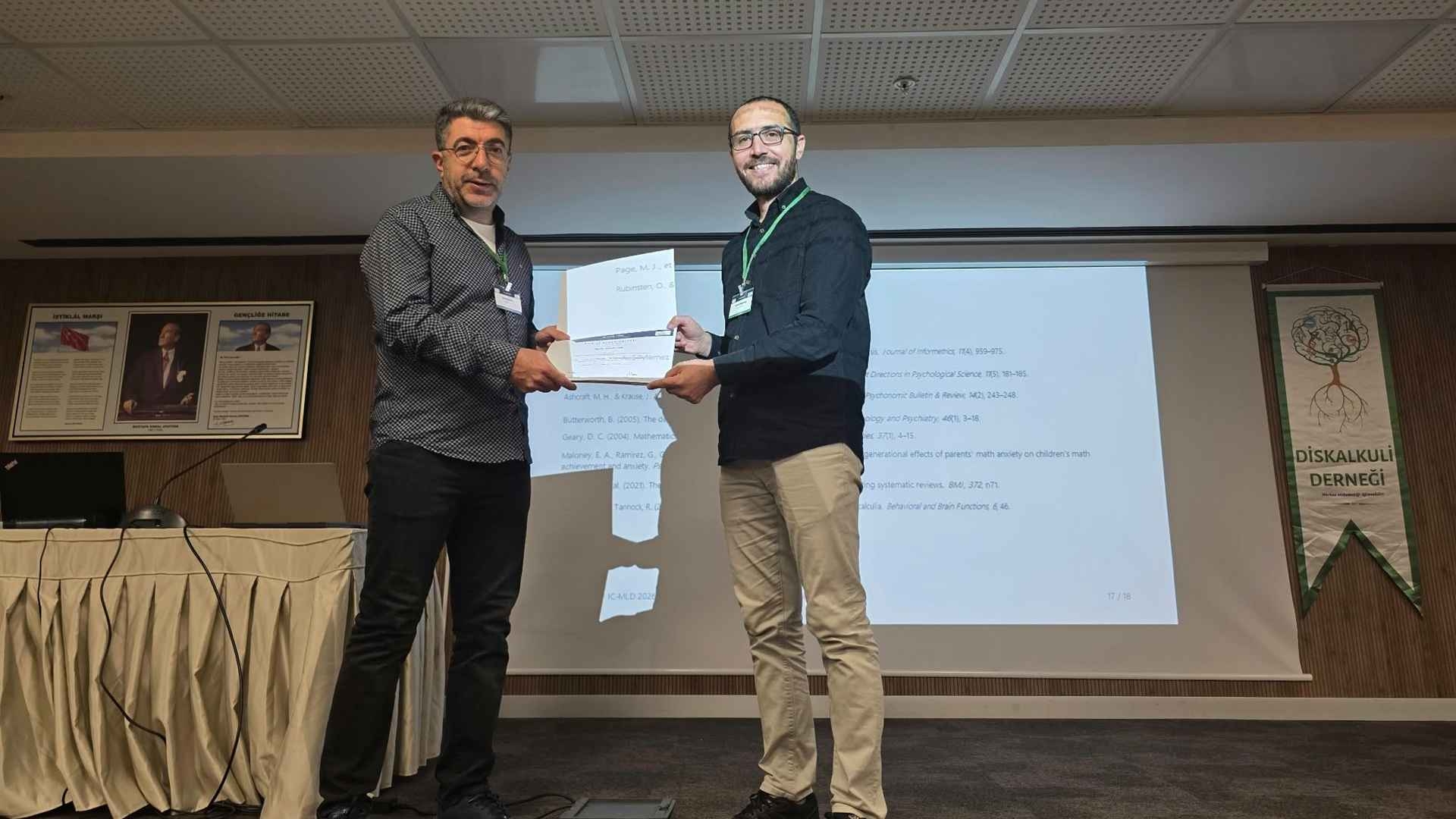
Asst. Prof. Aydın Söylemez presented the study titled “Mapping the Intersection of Mathematics Learning Disabilities, Parental Attitude, and Math Anxiety: A Bibliometric Analysis (1985–2026)” at the 4th International Congress on Mathematics Learning Disabilities.
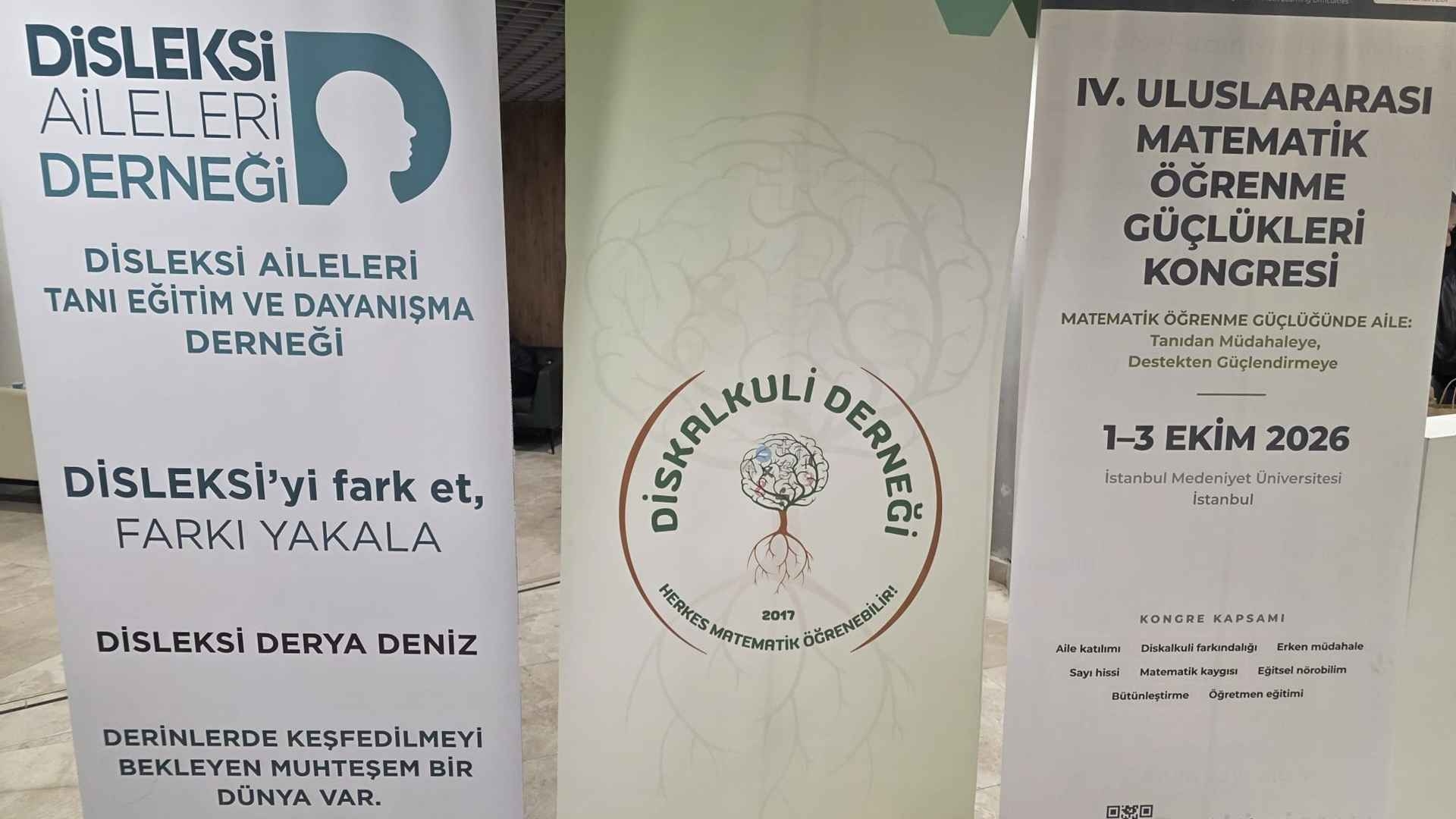
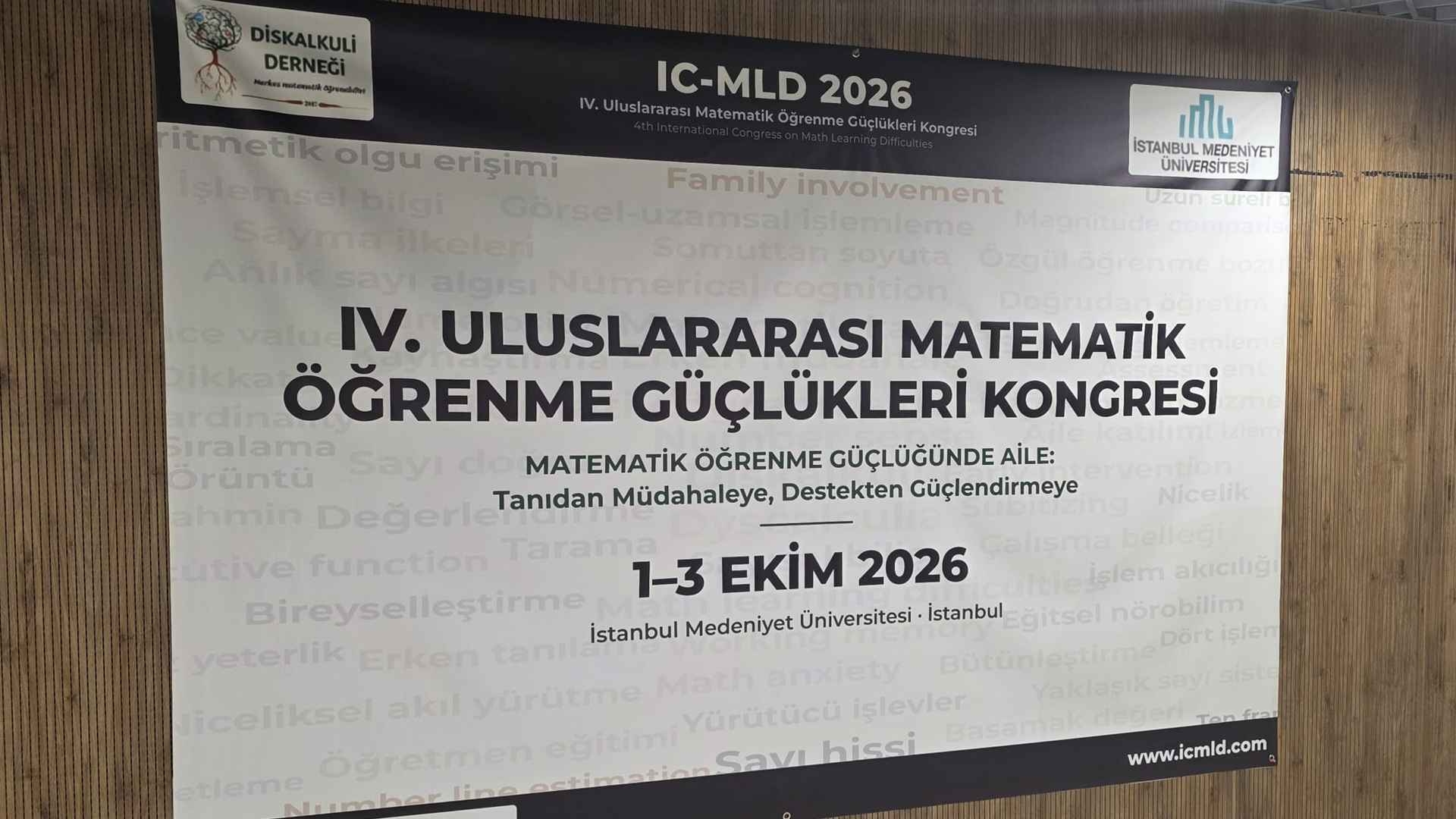
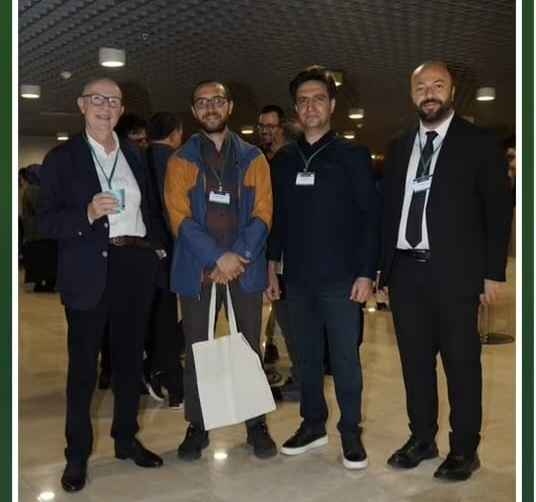
Asst. Prof. Aydın Söylemez presented an academic paper at the 4th International Congress on Mathematics Learning Disabilities, organized by the Dyscalculia Association and hosted by Istanbul Medeniyet University from October 1–3, 2026.
Presented during the 8th session of the conference, titled “Family Attitudes and Assistive Technologies”, his paper “Mapping the Intersection of Mathematics Learning Disabilities, Parental Attitude, and Math Anxiety: A Bibliometric Analysis (1985–2026)” comprehensively examines the international literature addressing the relationship between dyscalculia, math anxiety, parental attitudes, and the home learning environment.
Studies on Dyscalculia and Mathematics Anxiety
As a result of a systematic search conducted in the Web of Science and Scopus databases, 1,390 articles published between 1985 and 2026 were analyzed using the R program The findings reveal that this research area, which remained quite limited prior to 2010, has gained significant momentum in recent years and has grown at an annual rate of 12.79%.
While Finland, China, the United Kingdom, and Italy stand out in terms of publication output, citation impact appears to be largely concentrated in the United States. The fact that the rate of international co-authorship is only 2.01% indicates that collaborations in this field are mostly confined within national borders.
According to the results of the thematic analysis, the field has evolved from early clinical and neuropsychological case studies to a diagnostic and assessment phase focused on working memory and developmental dyscalculia, and from there to a current focus on mathematics anxiety, executive functions, mathematics education, and psychosocial factors related to the family.
While the study presents an evidence-based overview of the development of the literature on dyscalculia, math anxiety, and parental attitudes over the past forty years, it also highlights the need to increase international and interdisciplinary collaboration.
We congratulate Assist. Prof. Aydın Söylemez for his valuable work and contribution to the conference, and we wish him continued success.
Photos
Related Content
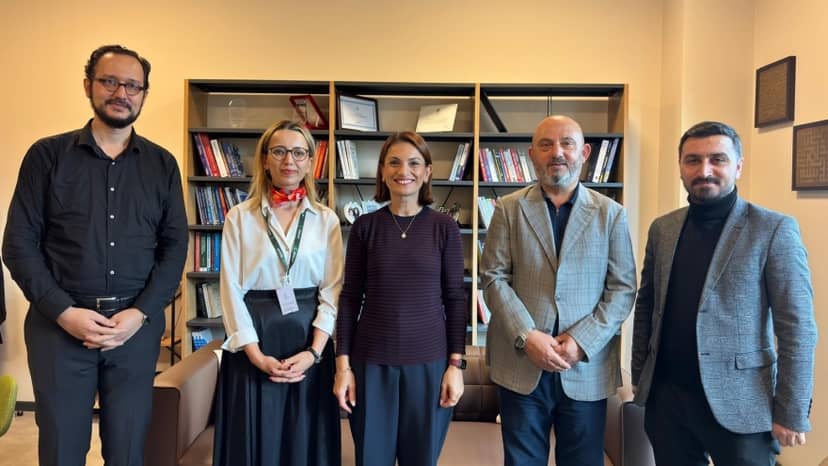
Our Department of Guidance and Psychological Counseling Hosted a Delegation from the Yeşilay Başakşehir
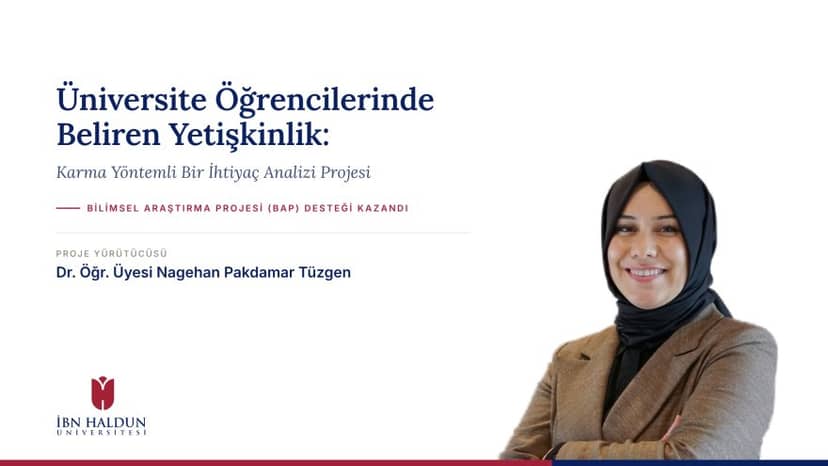
BAP Funding for the “Emerging Adulthood Among College Students” Project Run by School of Education
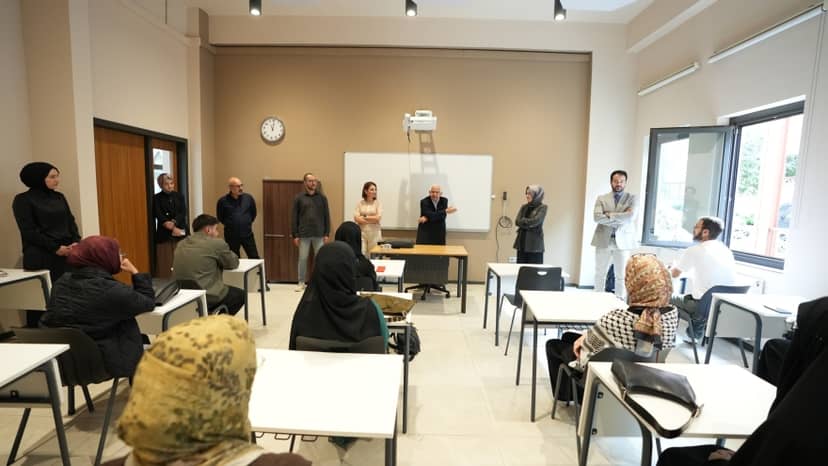
The School of Education Welcomed Its New Students with an Orientation Program
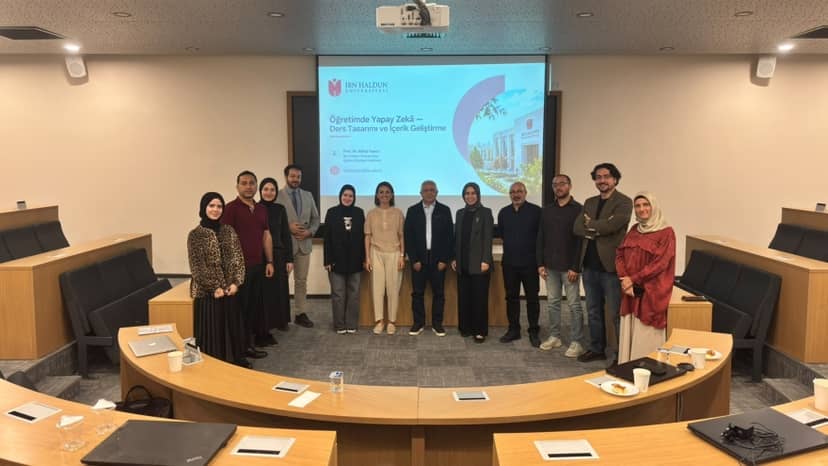
“The Use of AI in Teaching, Learning, and Assessment” Workshop Was Held for Faculty Members at the School of Education
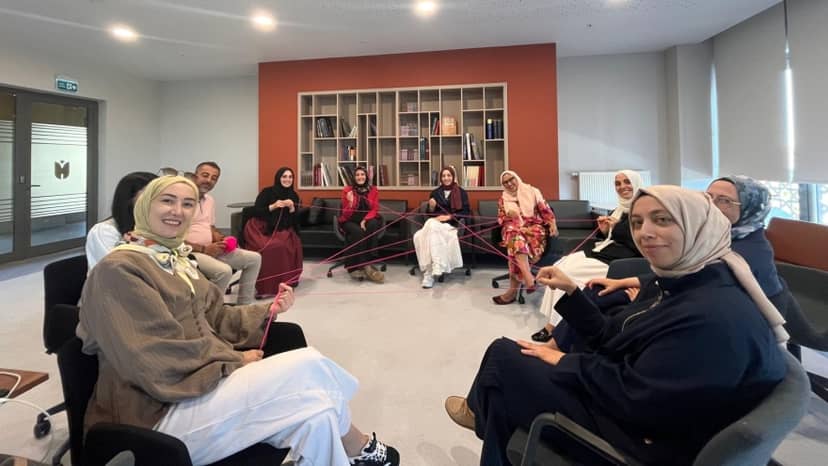
“English Games Appropriate for Culture and Development in the Preschool Period” Workshop Held
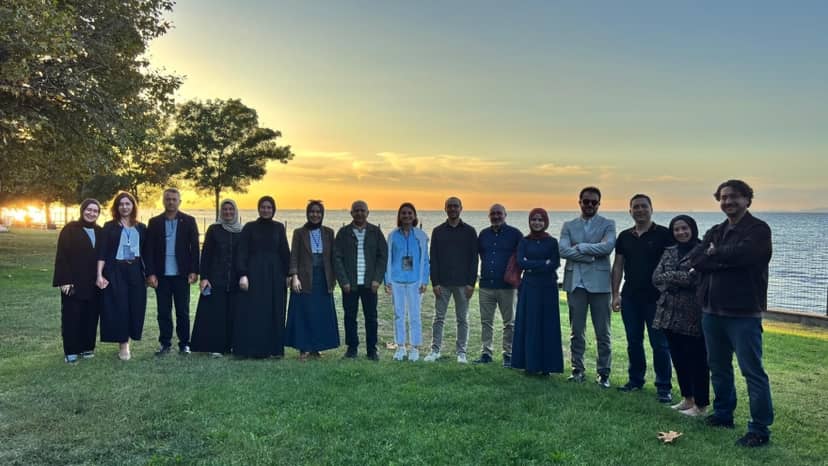
School of Education Completed Preparations for the New Academic Year at the Academic Staff Consultation and Evaluation Camp
International Collaboration on AI-Supported Teacher Education under Erasmus+ KA220: The AI4PD Project
Our Students from the School of Education Celebrated Their Graduation