“The Use of AI in Teaching, Learning, and Assessment” Workshop Was Held for Faculty Members at the School of Education

“The Use of AI in Teaching, Learning, and Assessment” workshop was held with the attendance of our School of Education faculty members.
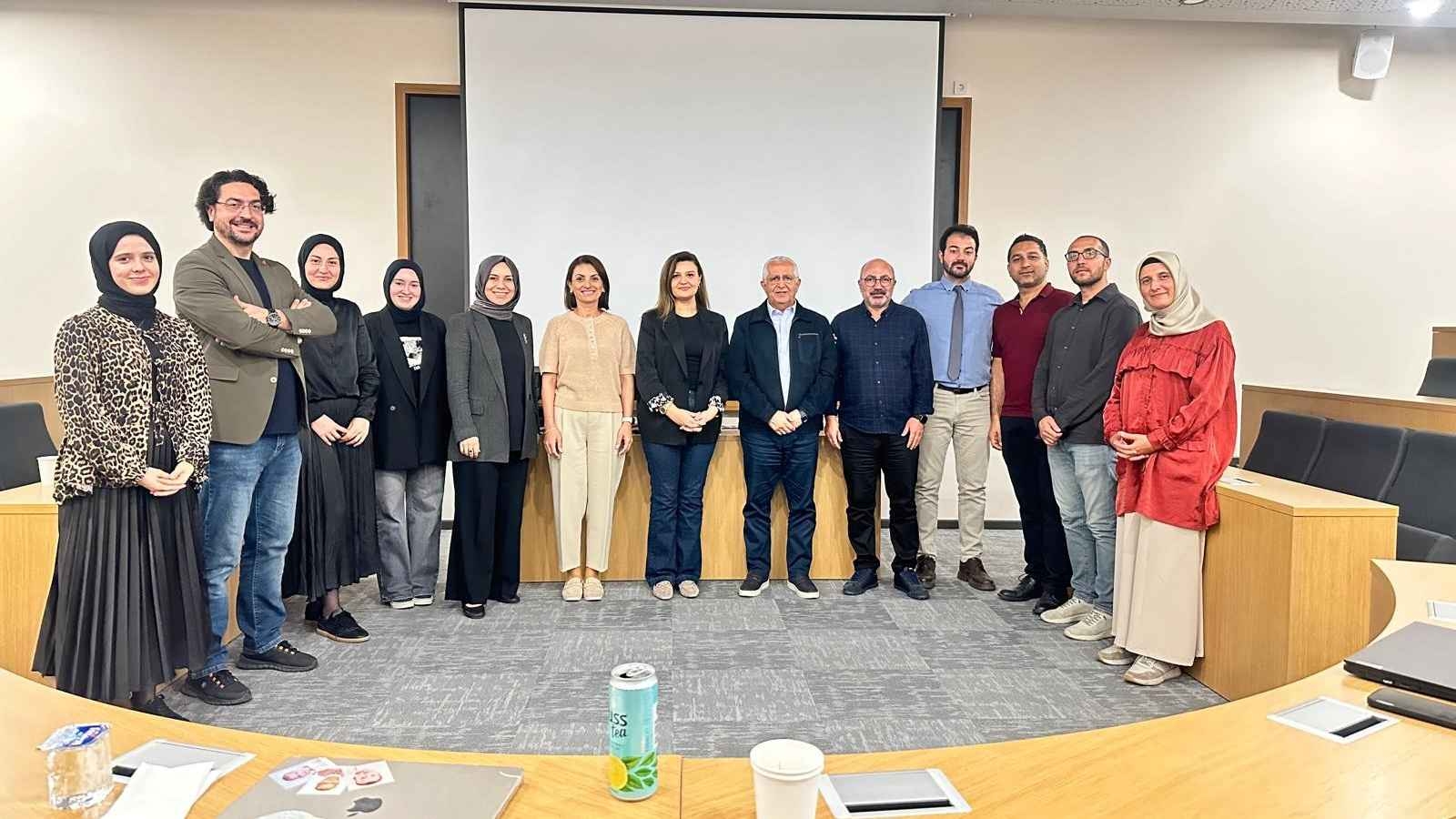
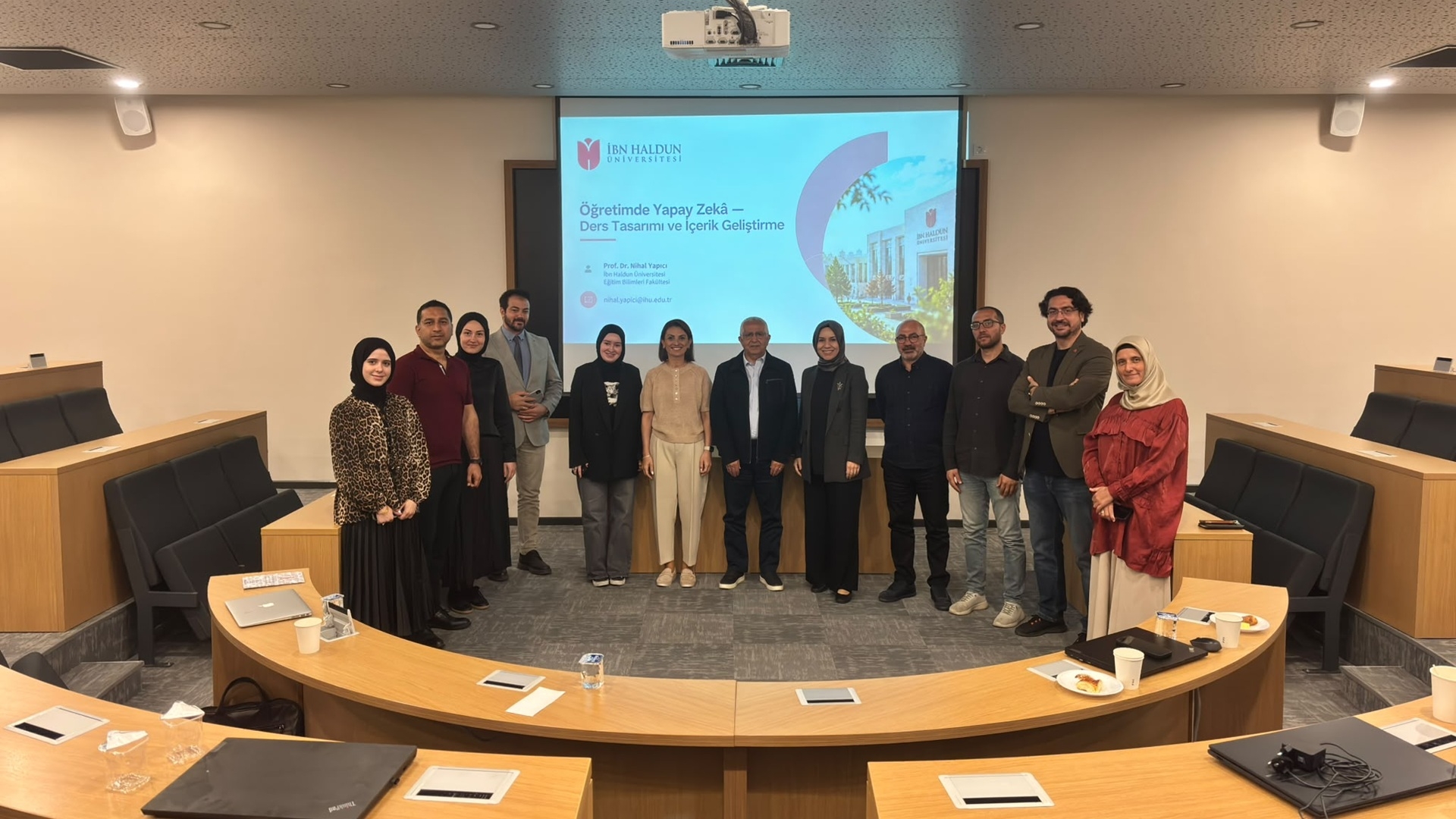
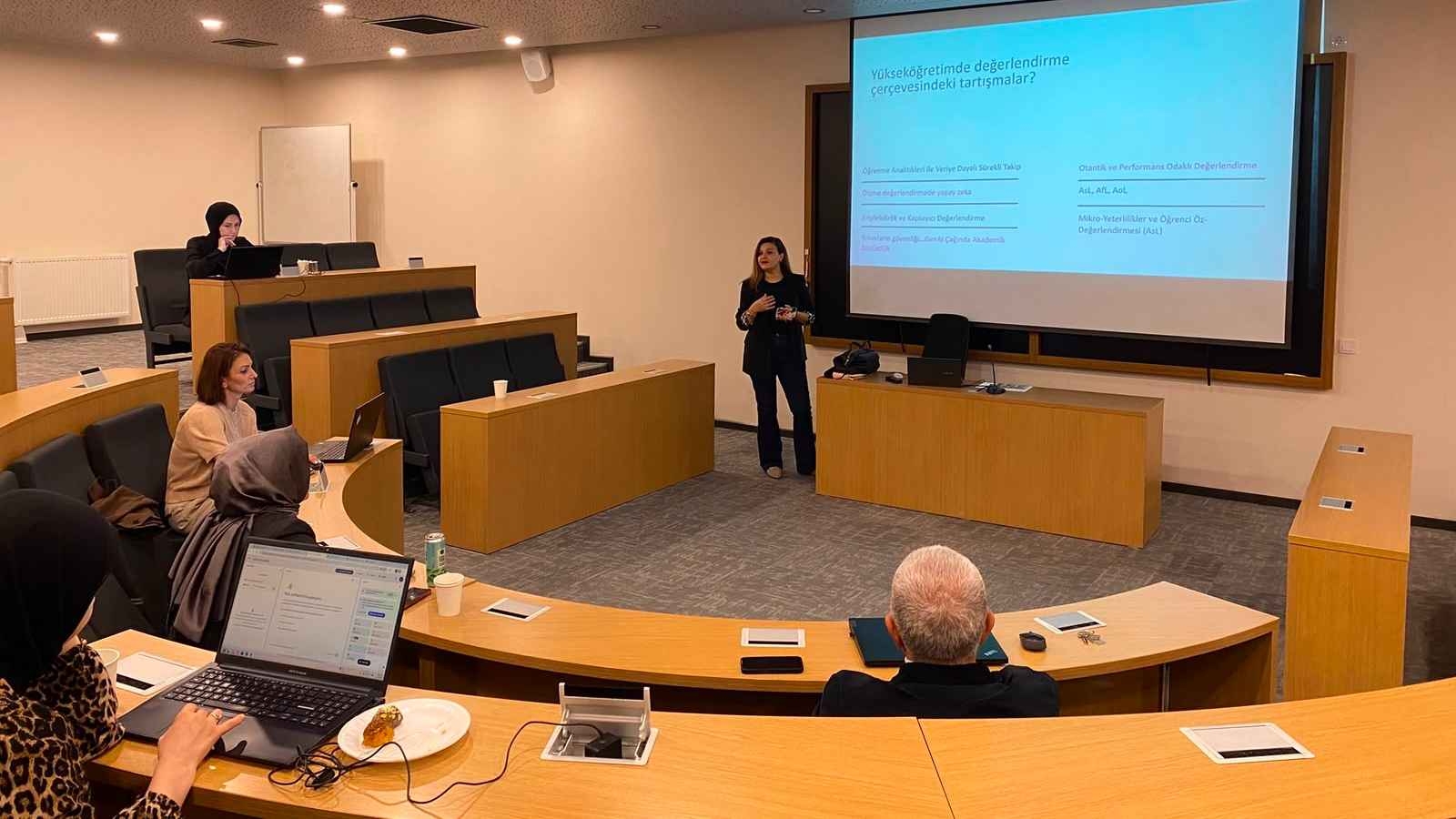
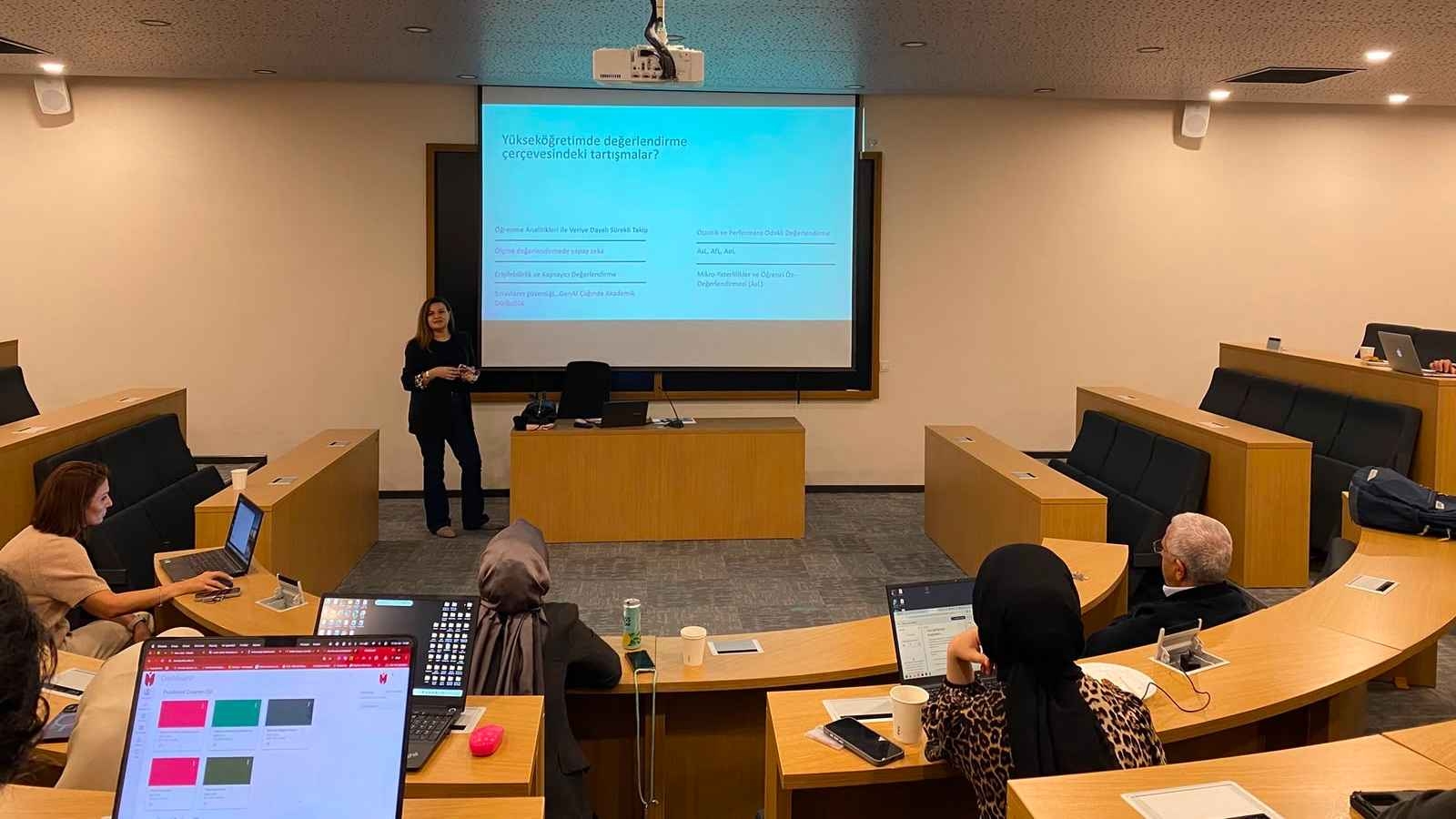
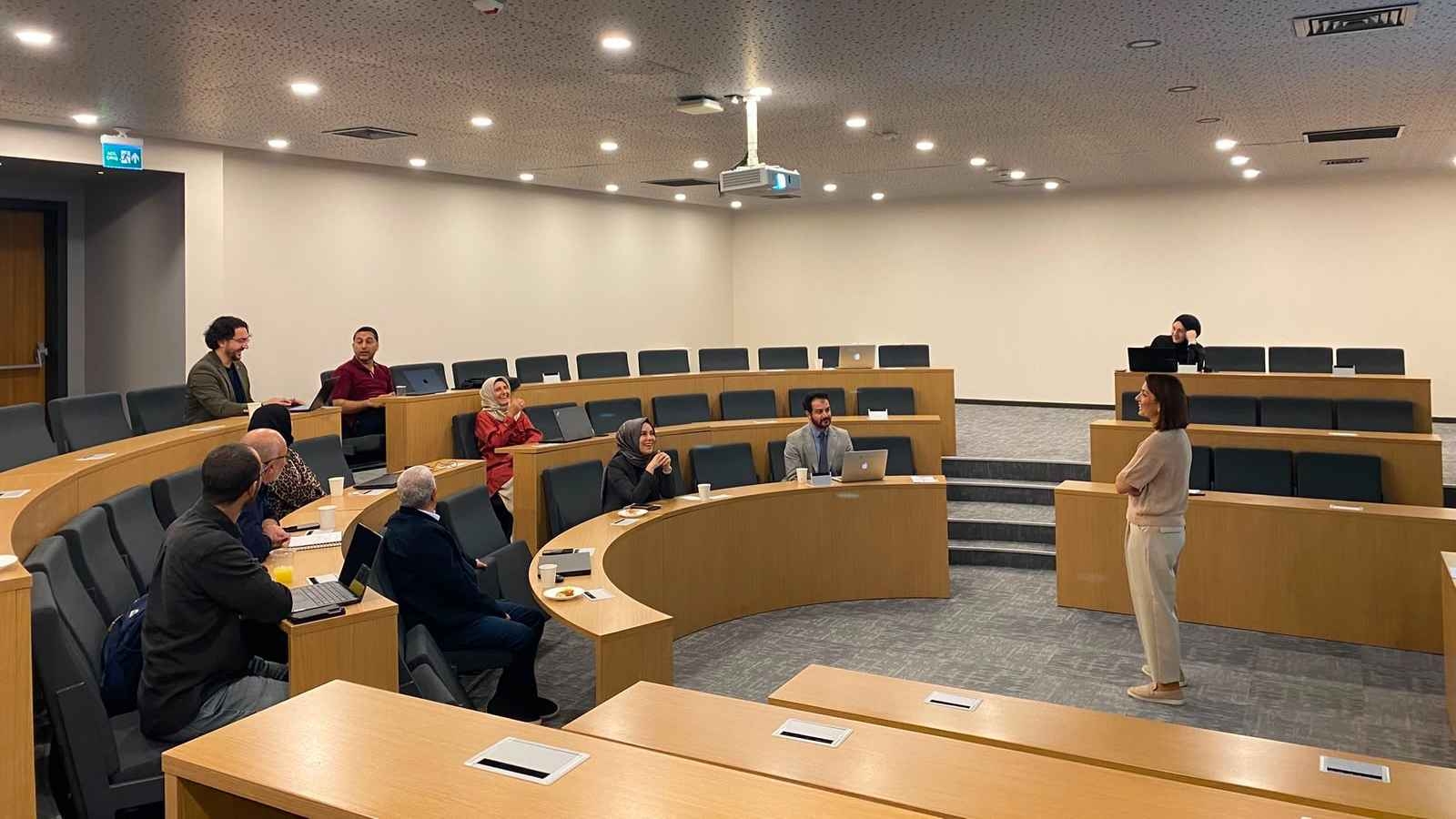
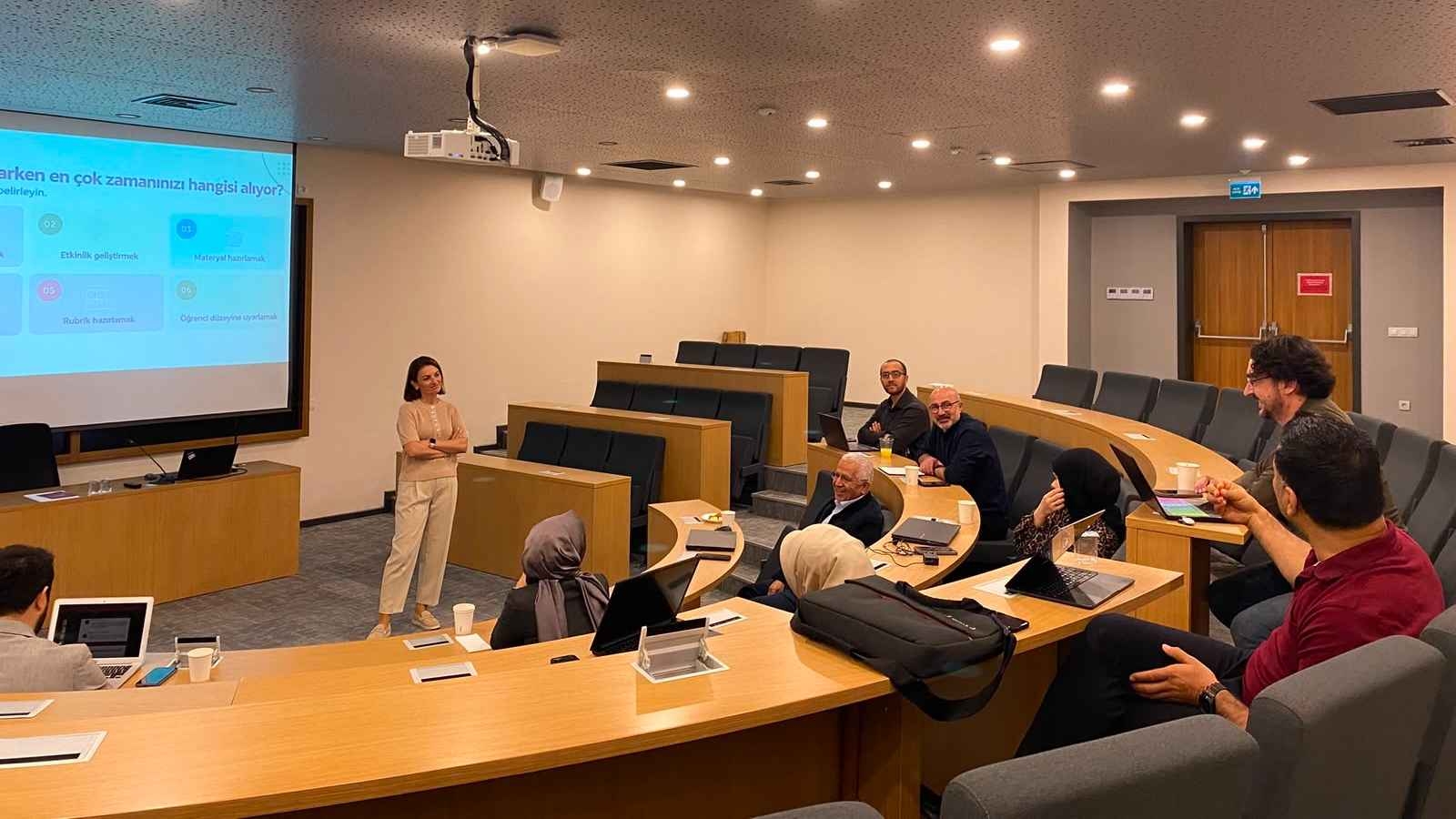
The workshop titled “The Use of AI in Teaching, Learning, and Assessment”, attended by faculty members of the School of Education, was held on September 15, 2026, in the Teoman Duralı Hall. The workshop aimed to enable our faculty members to use artificial intelligence responsibly and effectively in the areas of course design, teaching processes, and assessment.
Following an opening address by Prof. Şener Büyüköztürk, the program continued with a workshop titled “AI in Teaching: Course Design and Content Development”, led by Prof. Nihal Yapıcı. During this session, participants received hands-on training on using AI to create lesson plans, learning outcomes, rubrics, and quiz questions, as well as practical prompt-writing techniques for educators.
During the program’s second session, Assist. Prof. Mehmet Akın Bulut led a session titled “Context: Best Practices from Around the World, What Is Generative AI, and How Is It Changing Education?” The session addressed the basic logic of large language models in layman’s terms, the opportunities and risks posed by AI in education, and topics such as academic integrity, bias, and data privacy. In addition, AI-powered learning assistants, Socratic inquiry approaches, and differentiated instruction practices were discussed. It was emphasized that our faculty members focused on pedagogical design approaches that encourage students to use AI not as a substitute for thinking, but as a tool that supports thinking.
After the lunch break, the program continued with a hands-on workshop titled “AI in Assessment: Opportunities and Academic Integrity”, moderated by Assist. Prof. Halime Yıldırım Hoş. The possibilities offered by artificial intelligence in exam and question generation, rubric development, and feedback processes, as well as its limitations in terms of reliability, validity, and bias, were evaluated together with the participants. The workshop concluded with an evaluation and closing session attended by all participants.
Our university’s School of Education will continue its efforts to enhance faculty members’ competencies in integrating current technological developments into teaching and learning processes in a responsible, effective, and sustainable manner.
Photos
Related Content
Our Department of Guidance and Psychological Counseling Hosted a Delegation from the Yeşilay Başakşehir
BAP Funding for the “Emerging Adulthood Among College Students” Project Run by School of Education
Asst. Prof. Aydın Söylemez Presented Paper in the 4th International Congress on Mathematics Learning Disabilities
The School of Education Welcomed Its New Students with an Orientation Program
“English Games Appropriate for Culture and Development in the Preschool Period” Workshop Held
School of Education Completed Preparations for the New Academic Year at the Academic Staff Consultation and Evaluation Camp
International Collaboration on AI-Supported Teacher Education under Erasmus+ KA220: The AI4PD Project
Our Students from the School of Education Celebrated Their Graduation