The Book “Eğitimde Yapay Zekâ Paradigması” Edited by Asst. Prof. Adem Yurdunkulu Published

The book entitled “Eğitimde Yapay Zekâ Paradigması” (The Artificial Intelligence Paradigm in Education), edited by Asst. Prof. Adem Yurdunkulu, has been published by Özgür Press.
The book entitled “Eğitimde Yapay Zekâ Paradigması” (The Artificial Intelligence Paradigm in Education), edited by Asst. Prof. Adem Yurdunkulu, a lecturer at the School of Education, was published by Özgür Press on 20 October 2026.
Artificial intelligence is now viewed as more than a new technological tool. It has become a paradigm that is redefining teaching and learning processes, the way educational institutions are organized, and the roles of educational stakeholders. Against this backdrop, the book offers a comprehensive examination of the transformation education is undergoing in the age of artificial intelligence, focusing on teachers, students and institutions.
New Competencies and Changing Roles in the Age of Artificial Intelligence
The book presents the conceptual foundations of artificial intelligence and its historical development in education. It also discusses the impact of artificial intelligence on learning processes in light of current scientific findings and draws attention to the need to rethink learning culture. New competencies such as AI literacy, critical evaluation, self-regulation, academic integrity and ethical awareness are examined in detail.
The book explores how the teacher’s role is shifting from transmitting knowledge to designing pedagogy and providing ethical guidance. It also examines how students are moving from passive recipients to active participants who manage their own learning.
In addition to theoretical discussions, the book includes field-specific applications. Using accounting education as an example, it discusses how higher education pedagogy can be redesigned for professions transformed by artificial intelligence and automation.
Designed as a valuable resource for academics in educational sciences and subject-matter education, teachers, graduate students and policymakers, the book aims to evaluate the integration of artificial intelligence into education within a human-centered, pedagogical and ethical framework.
We congratulate our faculty member on this achievement.
Related Content
Asst. Prof. Aydın Söylemez’s Article “From Spiritual Well-Being to Psychological Resilience” Has Been Published
Our Faculty Member Assoc. Prof. Thseen Nazır Delivers Presentation at the TherapHeal Annual Global Mental Health Summit 2026
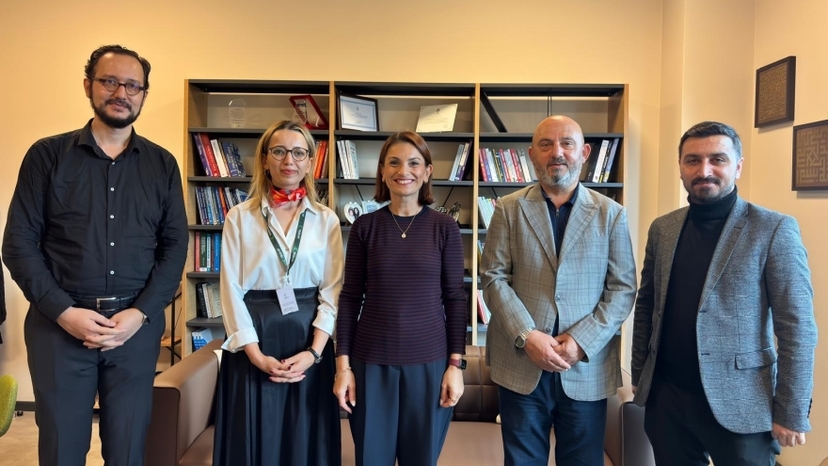
Our Department of Guidance and Psychological Counseling Hosted a Delegation from the Yeşilay Başakşehir
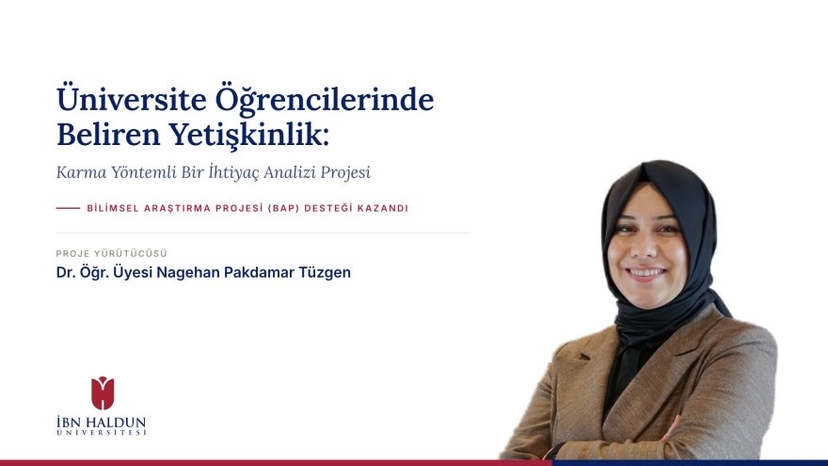
BAP Funding for the “Emerging Adulthood Among College Students” Project Run by School of Education
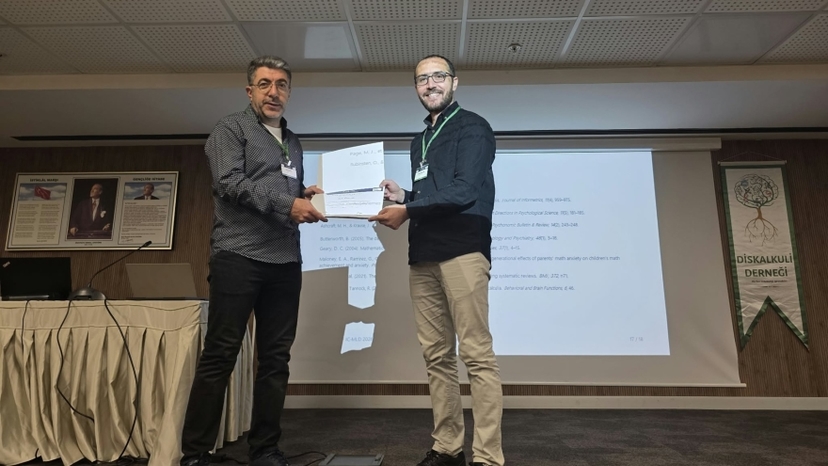
Asst. Prof. Aydın Söylemez Presented Paper in the 4th International Congress on Mathematics Learning Disabilities
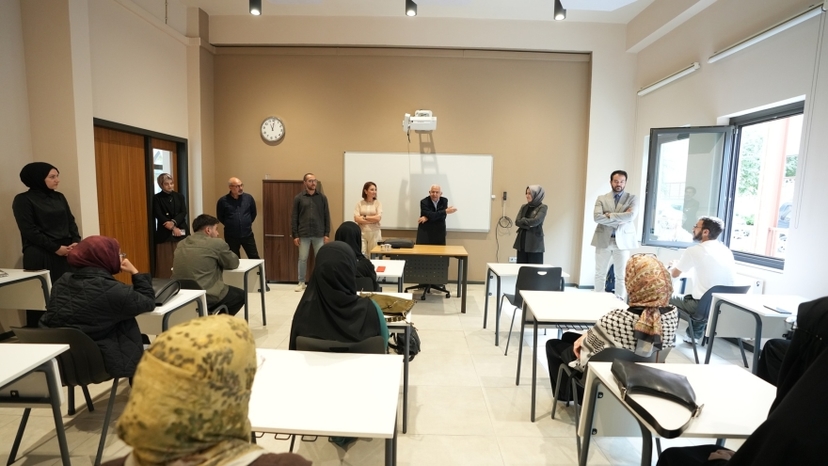
The School of Education Welcomed Its New Students with an Orientation Program
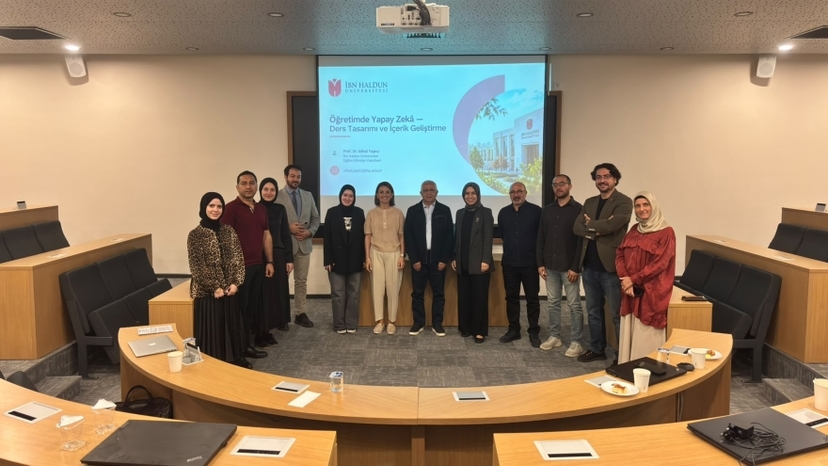
“The Use of AI in Teaching, Learning, and Assessment” Workshop Was Held for Faculty Members at the School of Education
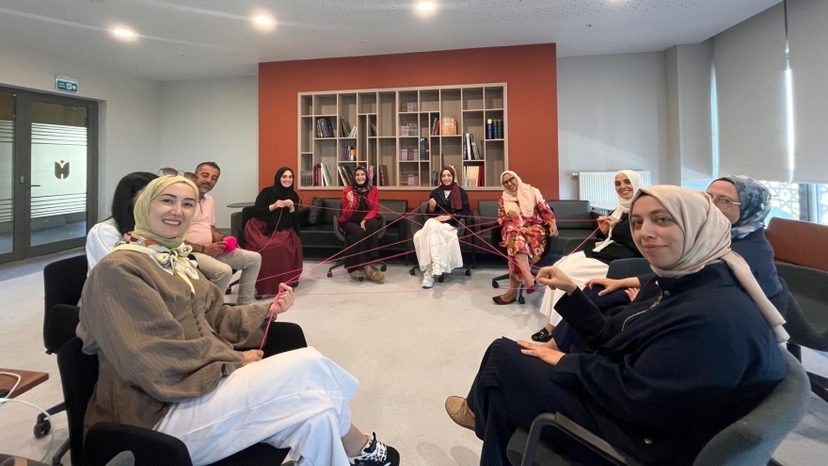
“English Games Appropriate for Culture and Development in the Preschool Period” Workshop Held