Asst. Prof. Thseen Nazir’s Article “Faith as a Multilevel Resilience System” Published
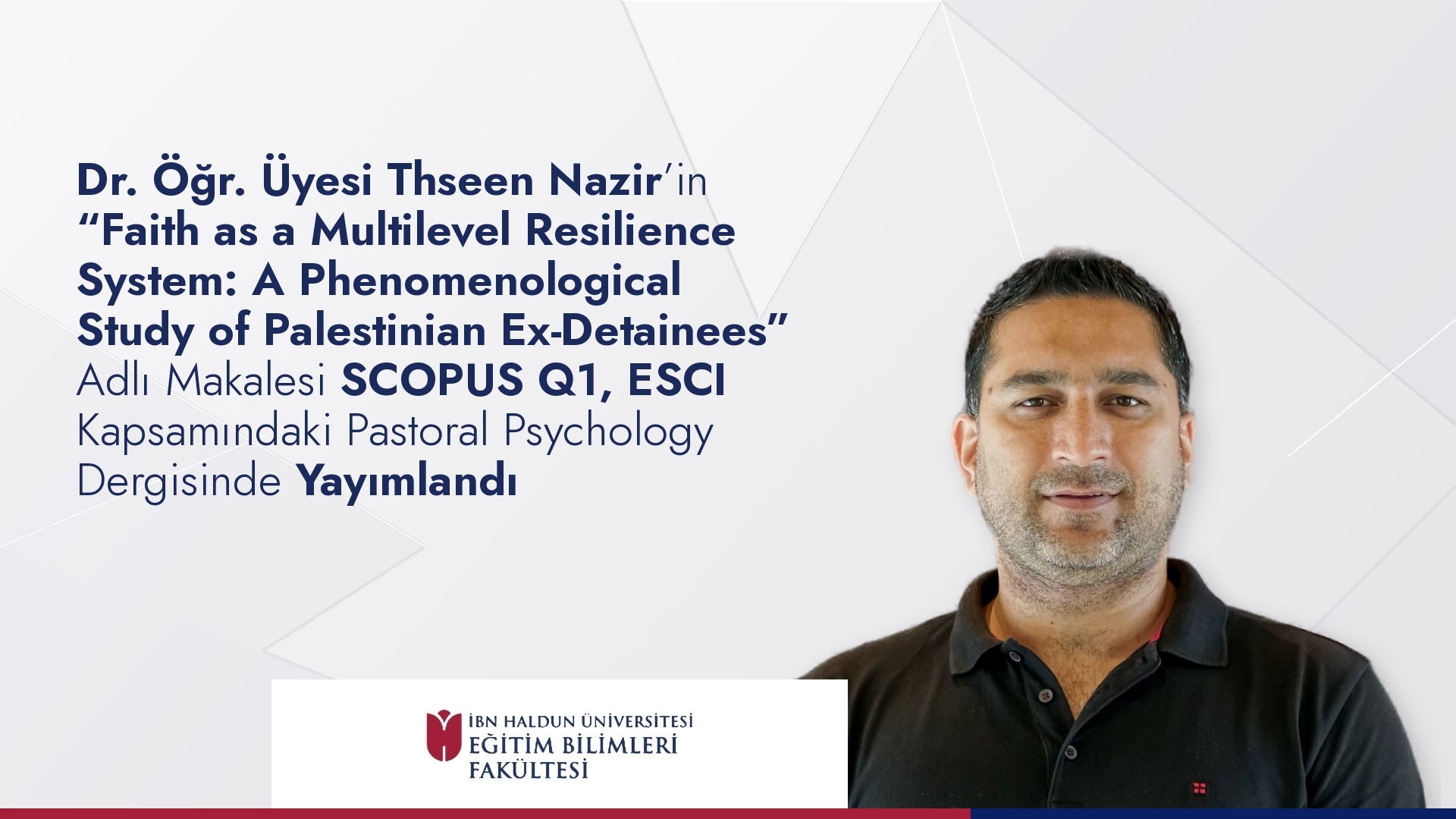
Authored by Asst. Prof. Thseen Nazir, the article titled “Faith as a Multilevel Resilience System: A Phenomenological Study of Palestinian Ex-Detainees” has met with readers in the SCOPUS Q1 and ESCI-indexed journal Pastoral Psychology.
The article titled “Faith as a Multilevel Resilience System: A Phenomenological Study of Palestinian Ex-Detainees” co-authored by Asst. Prof. Thseen Nazir, a faculty member in our Department of Guidance and Psychological Counseling, and Sondos Khaled Saleh Hihi, was published on 18 November 2026 in Pastoral Psychology, a journal indexed in SCOPUS (Q1) and ESCI.
Religious Faith as a Coping Resource Against Social Hardships
Religious faith is widely discussed as a coping resource for communities facing collective hardship. Yet little research has looked at how Islamic faith works during long-term political imprisonment, or at whom it helps and whom it harms.
This phenomenological study examines how faith worked as a source of resilience among 24 Palestinian ex-detainees. The participants were 18 men and 6 women aged 35–65. Each had been imprisoned for 4 to 21 years and was released between 2010 and 2014. The researchers held semi-structured interviews in Arabic and analyzed them using reflexive thematic analysis.
The Dual Role of Faith and Pastoral Care
Four themes emerged from the study such as: “Faith as a multilevel resilience system”, “collective identity as a protective mechanism”, “gender-specific vulnerabilities and faith-based coping strategies”, “post-release reintegration as a secondary crisis”.
The findings show that faith worked in three ways: as personal spirituality, as a social bond, and as a framework that gave religious meaning to resistance. However, its effects were not always positive.
The religious and cultural norms that helped women keep their dignity in prison also shaped the stigma they faced after release. Drawing on analyses of the beneficial and harmful effects of religion, the authors discuss that faith can protect some members of a community whilst placing a burden on others.
The study offers important implications for pastoral care, faith-integrated counseling, and post-release support.
We congratulate Asst. Prof. Dr. Thseen Nazir on this valuable study and wish continued success in academic work.
To access the article: https://link.springer.com/article/10.1007/s11089-026-01395-8
Related Content
Article by Asst. Prof. Esra Akgül, “Engineering Design Test in Early Childhood” Published
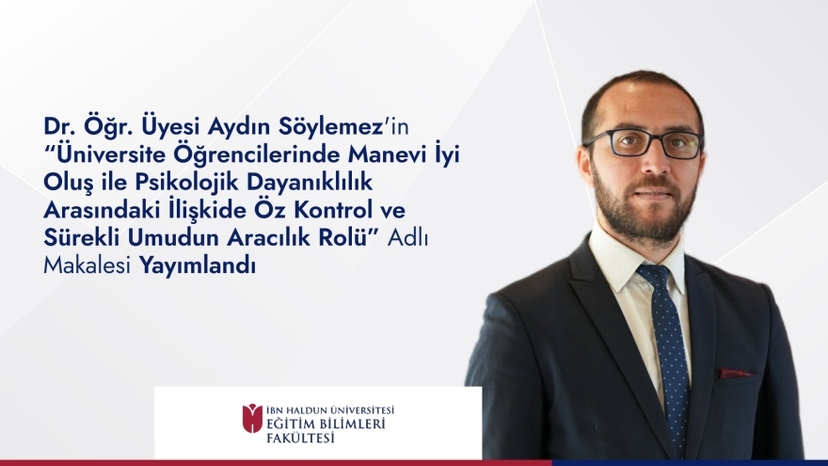
Asst. Prof. Aydın Söylemez’s Article “From Spiritual Well-Being to Psychological Resilience” Has Been Published
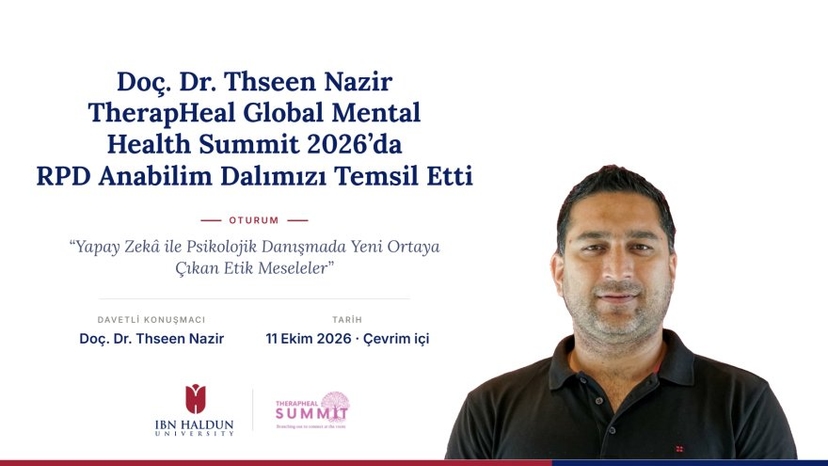
Our Faculty Member Assoc. Prof. Thseen Nazır Delivers Presentation at the TherapHeal Annual Global Mental Health Summit 2026
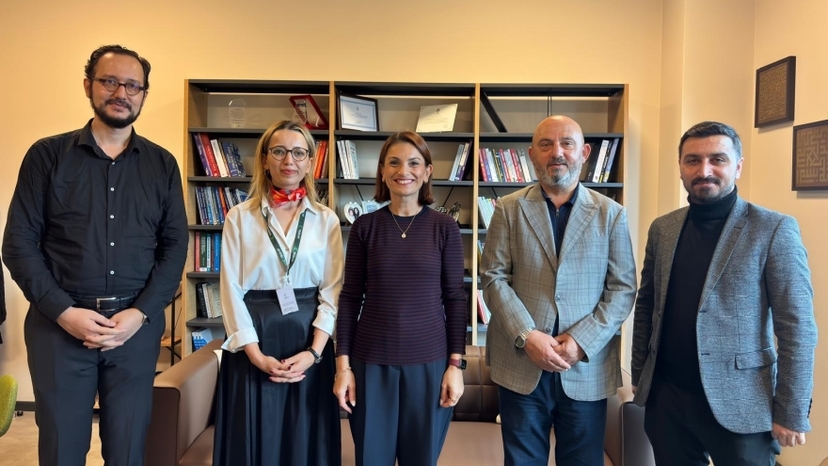
Our Department of Guidance and Psychological Counseling Hosted a Delegation from the Yeşilay Başakşehir
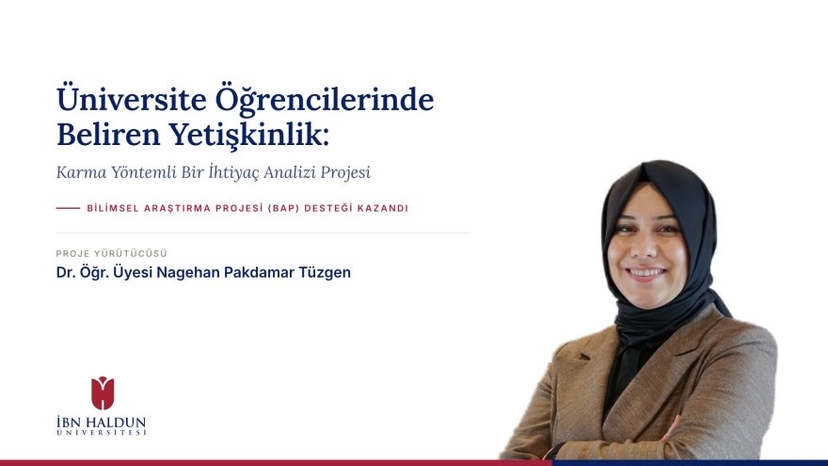
BAP Funding for the “Emerging Adulthood Among College Students” Project Run by School of Education
Asst. Prof. Aydın Söylemez Presented Paper in the 4th International Congress on Mathematics Learning Disabilities
The School of Education Welcomed Its New Students with an Orientation Program
“The Use of AI in Teaching, Learning, and Assessment” Workshop Was Held for Faculty Members at the School of Education